Nature-based Solutions
for Water Security
Fostering Landscape-scale Adoption of NbS for Water Security: Strengthening Mediterranean Ecosystem Resilience Against Climate Extremes
Who Are We?
The FLOW4Med is a project supported by the EU’s Horizon Europe and PRIMA programme. It consists of eight partners from five countries (Ain Shams University in Egypt; CIHEAM-Mediterranean Agronomic Institute of Chania in Greece; Hudara in Germany; Integrated Development Group in Egypt; Technical University of Berlin in Germany; Terrartives in Greece; University of Balamand in Lebanon; and Wadi for Sustainable Ecosystem Development in Jordan) that joined forces to address the socio-ecological challenges of the Mediterranean region.
Project Explained
Warming in the Mediterranean is occurring significantly faster than the global average, which is why water scarcity, flood risks, and alarming heat issues are turning the region into a climate hotspot.
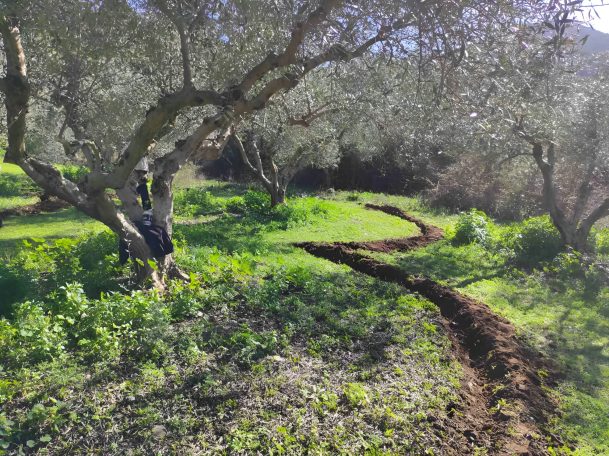
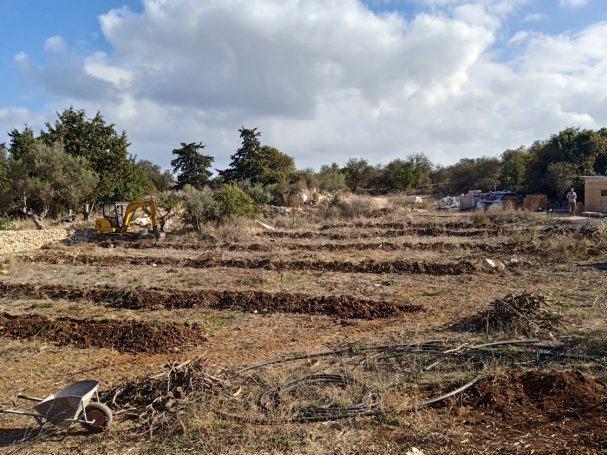
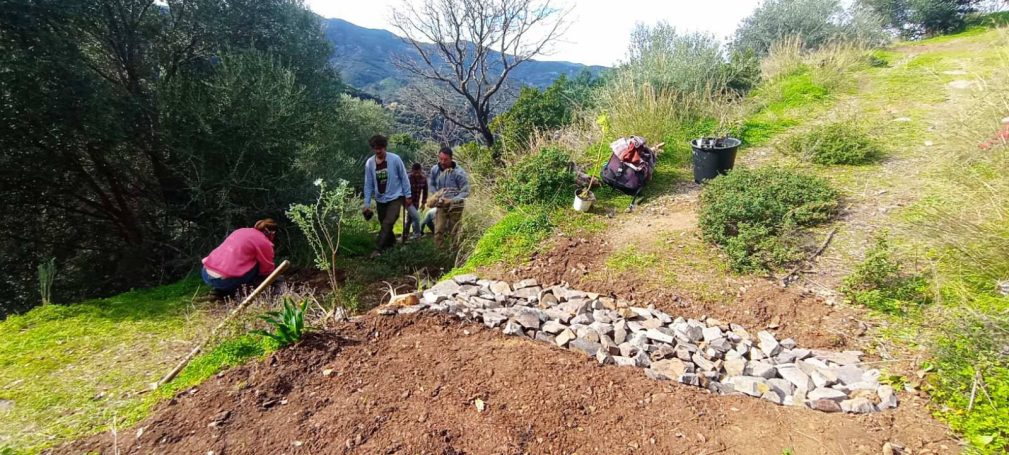
The three-year project responds by scaling, integrating, and evaluating Nature-based Solutions (NbS) to strengthen water security and ecosystem resilience across three diverse Mediterranean settings.
Alongside the technical work, the project's Living Labs put local communities and stakeholders at the centre, ensuring the solutions are shaped by and for the people who will benefit from them.

Egypt
In Cairo, hybrid green-grey urban infrastructure for cooling and water reuse will be established.


Goals
Although NbS have demonstrated feasibility, their wider adoption remains constrained by fragmented governance, limited monitoring and evaluation, weak business models, and insufficient policy integration, which is exactly what FLOW4Med aims to change.
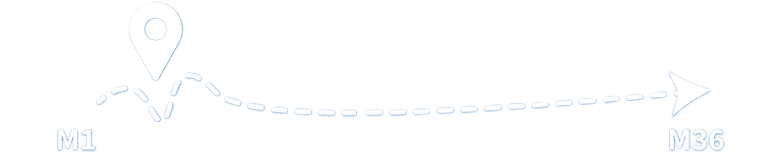
Project Timeline
Connect With Us
We believe that progress and much-needed change happen through participation, exchange, and collaboration. So please, stay in touch!
Acknowledgement of EU funding
Funded by the PRIMA Foundation (co-funded by the European Union and the Participating States). Views and opinions expressed are, however, those of the author(s) only and do not necessarily reflect those of the European Union or the PRIMA Foundation. Neither the European Union nor the granting authority can be held responsible for them.
Privacy Policy | Legal Notice | Imprint